Paul Lunn, a retired schoolteacher, has spoken out about his recovery following a major stroke in 2022. The 61-year-old was treated with a mechanical thrombectomy at Leeds General Infirmary, a procedure he credits, alongside intensive rehabilitation and the care of medical teams and his wife, for his return to good health.
To mark World Stroke Day, Mr Lunn and specialists from the Leeds Teaching Hospitals NHS Trust are urging the public to recognise the signs of a stroke and act fast. This coincides with the announcement that a specialist mechanical thrombectomy service is now available 24 hours a day, seven days a week, 365 days a year across West Yorkshire.
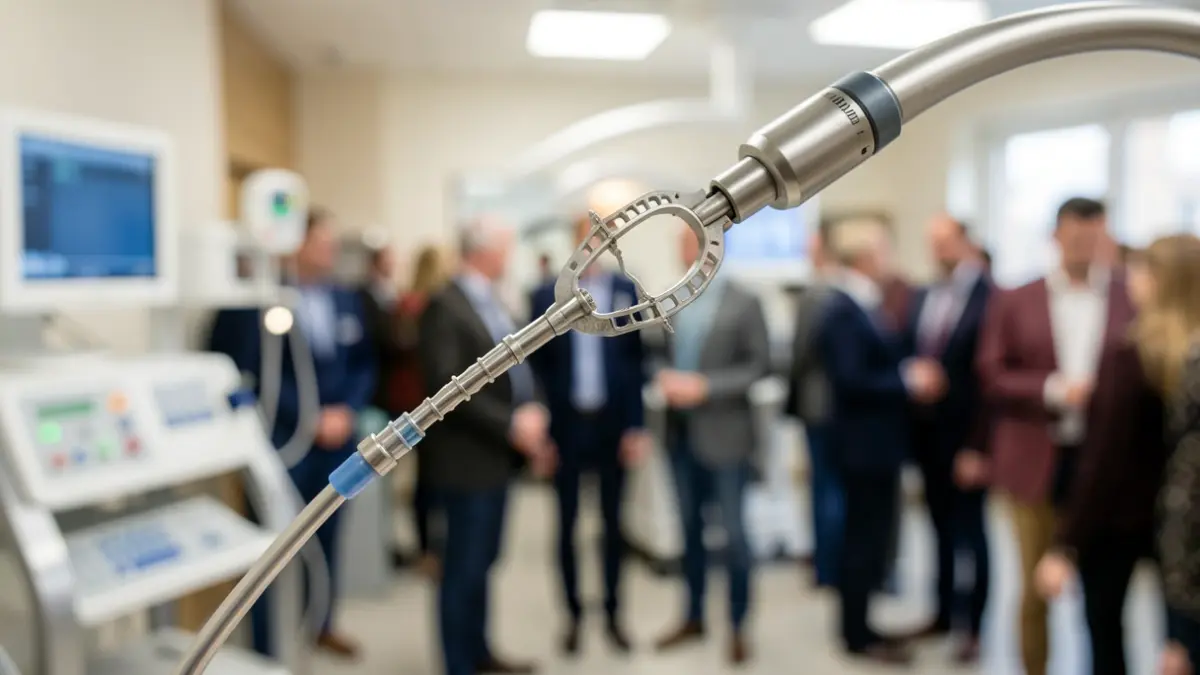
Mechanical thrombectomy is a highly effective emergency treatment for stroke patients suffering from a blockage in a major blood vessel in the brain or neck. The minimally invasive technique involves removing the clot, restoring blood flow, and significantly reducing the risk of death and long-term disability.
“"When I had my stroke, I was fortunate to receive treatment when I did. Having a service available around the clock means more people will have the same chance I had. It has the potential to change many lives for the better, if people in the community know the signs."
The FAST acronym serves as a simple checklist for stroke symptoms: F ace – facial weakness or drooping; A rms – arm weakness; S peech – slurred speech or difficulty speaking; and T ime – call 999 immediately.
Dr Marissa Minns, Clinical Lead for the stroke service at Leeds Teaching Hospitals NHS Trust, described the introduction of the full 24/7 service as a significant step forward for stroke care across West Yorkshire. She stated, “Every part of the pathway is critical, and it is only through the commitment and expertise of all teams involved that we are now able to provide this service around the clock for patients who need it most.”
Clinical evidence indicates that for eligible patients, prompt thrombectomy alongside specialist stroke care can dramatically improve outcomes, aiding recovery to independent lives and reducing the need for prolonged rehabilitation. This new service in Leeds is the result of years of planning and collaboration between various NHS organisations, NHS England Specialised Commissioning, clinicians, operational teams, and the Yorkshire Ambulance Service NHS Trust.
The successful implementation of the round-the-clock service is attributed to a highly coordinated multidisciplinary response involving emergency services, stroke physicians, the Brain Attack Team, interventional neuroradiologists, anaesthetists, nursing teams, radiographers, and rehabilitation specialists.
Mr Lunn is now actively involved in promoting stroke education and is a member of the Roundhay Stroke Support Group. He added, “Knowing the signs and calling 999 immediately can save your life and improve your chances of recovery.”