The question of how digital health technologies can transition from innovative concepts to making a meaningful difference for patients was central to a recent event at the Leeds Digital Festival. Titled 'Digital Health: what’s the point?', the event was led by Leeds Teaching Hospitals NHS Trust and held at the Thackray Museum of Medicine.
Nearly 100 individuals from the healthcare, industry, and academia sectors convened to discuss the translation of health innovation into real-world impact. The event emphasised the importance of patient need, partnership, and robust evidence in this process. Dr Ai Lyn Tan, Medical Director for Research and Innovation at Leeds Teaching Hospitals, opened the discussion by reflecting on the Trust’s research and innovation ambitions and challenging attendees to consider the fundamental purpose behind new technologies. She stated, “Technology may be impressive, but unless it addresses a genuine need and can work safely, effectively and equitably in everyday life, it remains only a promising idea. The real test of digital health is not what the technology can do. It is what the technology enables people to do.”
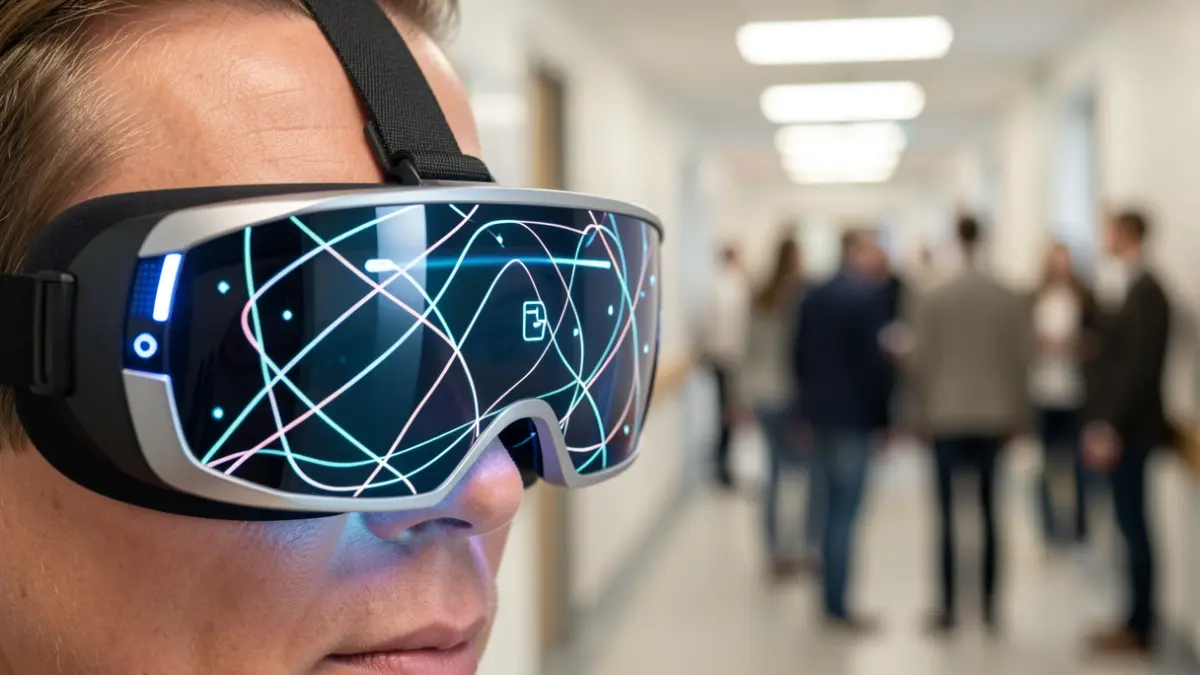
Key ingredients for moving innovation from idea to impact were highlighted, including a genuine need, effective partnerships, evidence of benefit, safety and usability, and the capacity to adopt and scale successful solutions. The story of Strolll, a UK health technology company, was presented as a case study. Their augmented reality platform is currently used by clinicians to deliver rehabilitation for individuals with neurological conditions.
Professor Rory O’Connor, Charterhouse Professor of Rehabilitation Medicine at the University of Leeds’ School of Medicine, discussed the collaboration with Strolll, noting how a shared focus on patient need has driven the technology's progress through research and evaluation. Tom Finn, Strolll’s founder, shared the origin of the idea, which began with him assisting his father, Nigel, with walking. The platform is now purchased by NHS trusts and used routinely by physiotherapists and occupational therapists for patients affected by conditions such as stroke, brain injury, Parkinson’s, MND, and FND.
The event also featured insights into the ongoing RESTART-PD study, funded by NIHR. This University of Leeds-led study is investigating whether augmented reality headsets can improve walking and balance for people with Parkinson’s compared to standard rehabilitation. The trial, a partnership involving Leeds Teaching Hospitals NHS Trust, the University of York, Devices for Dignity, and Strolll, is actively recruiting participants. Professor O’Connor described this as an ideal model for health technology development, starting with clinical and patient needs and fostering collaboration between patients, clinicians, researchers, and industry.
The importance of patient involvement was a central theme. Phillipe Evans, who was diagnosed with Parkinson’s in 2023, shared his experience as a participant in the Strolll research and the RESTART-PD trial, highlighting how his lived experience contributes to the development and evaluation of new health technologies. Attendees also had the opportunity to experience Strolll’s technology firsthand.
The 'Digital Health: What’s the point?' event was organised by the Trust’s Innovation Pop Up initiative, which facilitates connections between clinicians and industry to advance health innovation. It formed part of Leeds Digital Festival 2026, a major open tech festival in the UK. Julia Lake, Associate Director of Digital at Leeds Teaching Hospitals, also contributed to the festival, sharing her extensive experience in NHS digital roles at an event aimed at those starting or developing careers in technology.
These contributions showcased the digital expertise within Leeds Teaching Hospitals and a shared ambition to ensure that technology and innovation translate into tangible benefits for patients.