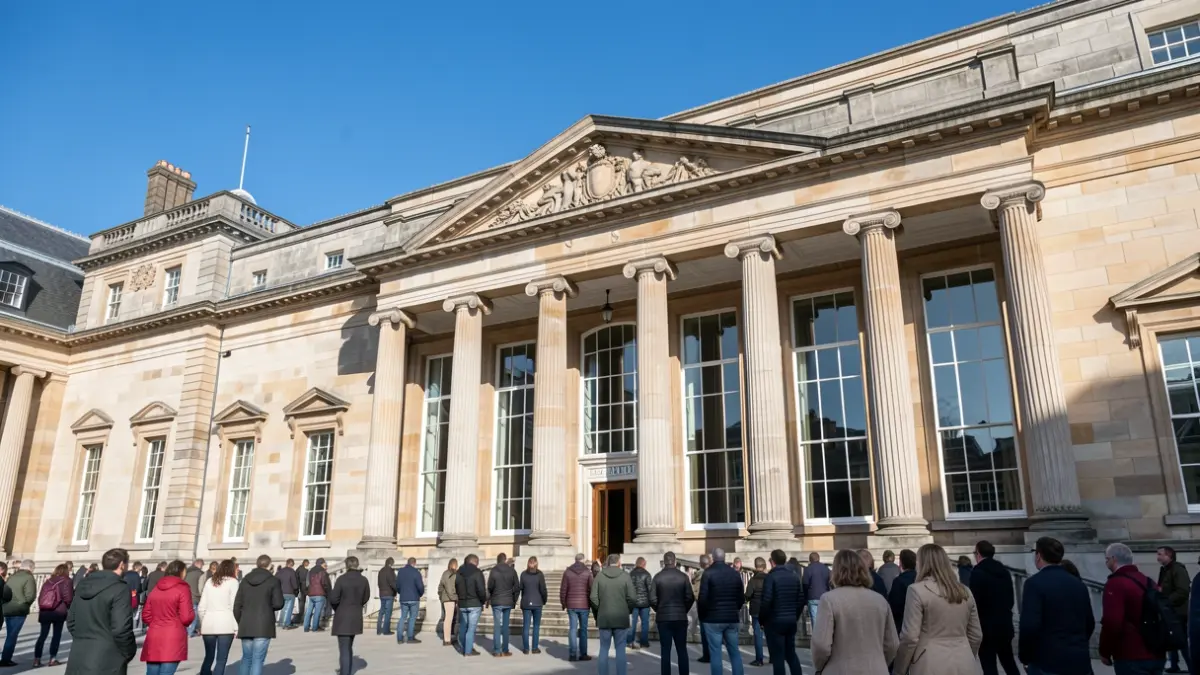
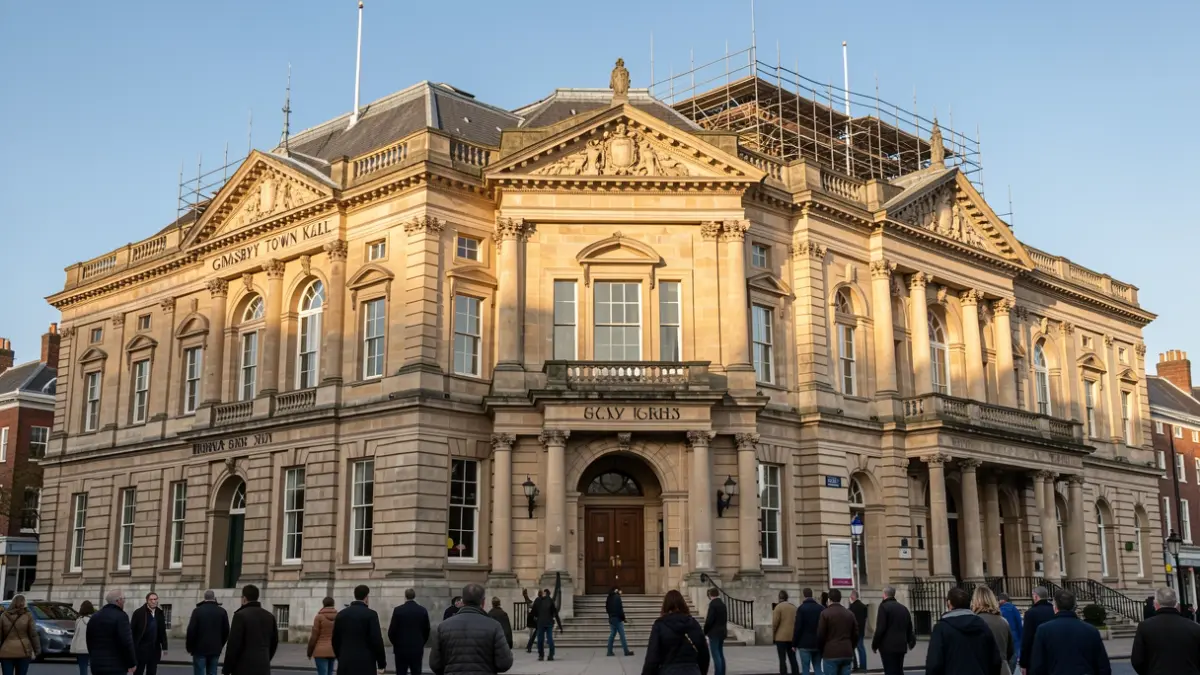
Listed Building consent was granted in July for the works, which will encompass the replacement and repair of several roofs, alongside the restoration and conservation of cast iron rainwater goods. Carpentry and masonry works will also be carried out to various building elevations. These plans follow earlier asbestos removal from the building’s basement and other external repairs.
Cllr Bob Callison, Cabinet member for Heritage, stated, “It’s important that we do what we can to preserve the fabric of our Town Hall, though we know it’s not the original one for the town. It’s really interesting to read the history of democracy in our town, and it’s important that we preserve our civic buildings for the future.”
“"It’s important that we do what we can to preserve the fabric of our Town Hall, though we know it’s not the original one for the town. It’s really interesting to read the history of democracy in our town, and it’s important that we preserve our civic buildings for the future."
The article also delves into the extensive history of Grimsby's Town Halls, detailing five previous structures dating back to 1286. The current Town Hall, built in the mid-nineteenth century, was designed to reflect the town's growing prosperity and accommodate civic functions, including a courtroom, council chamber, and offices. The construction involved architects James Fowler, Mr Horn, and Messrs Bellamy and Hardy, with the final build awarded to local builder Mr John Brown. The foundation stone was laid between late 1861 and early 1862. The building has undergone several extensions and alterations over the years, including the installation of electric lighting in 1891 and further enlargements in 1887 and 1907-1910, though the latter was dropped due to cost. It continues to serve as a base for the Mayor and hosts Council meetings.