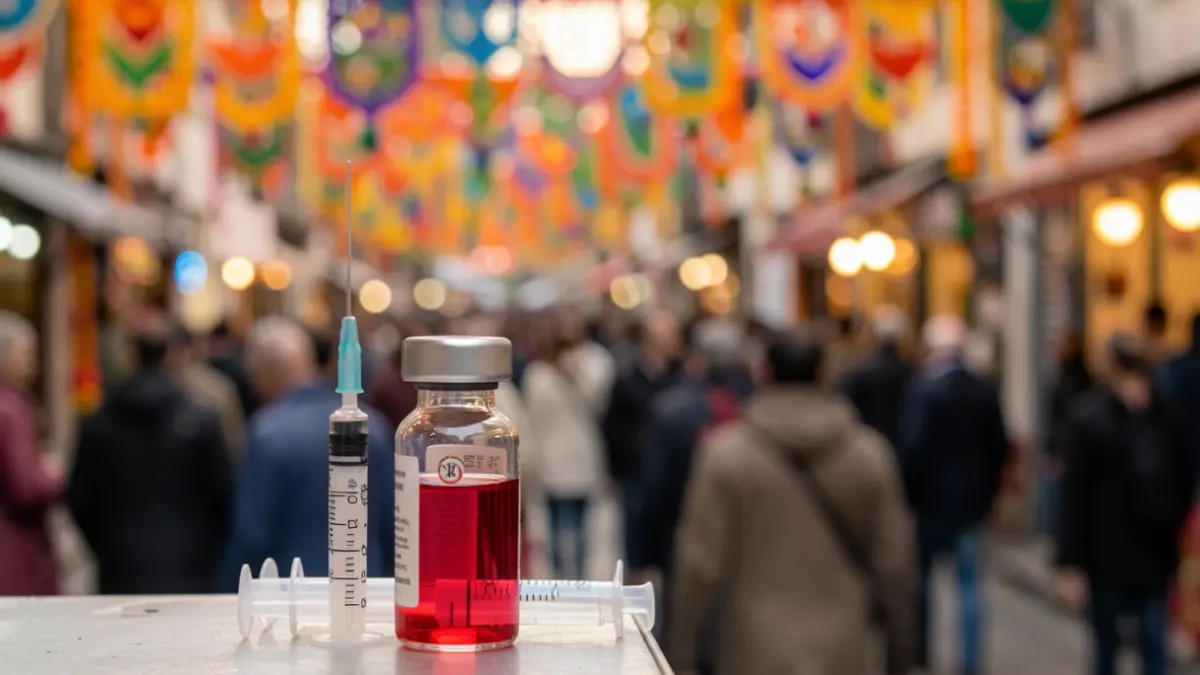
The UKHSA is calling on those celebrating Diwali to come forward for their flu, COVID-19 and RSV vaccinations, if they are eligible, to ensure they are protected during the festivities and throughout winter. Vaccines can take several days to provide maximum protection, making early vaccination crucial to reduce the risk of severe disease before Diwali and as flu is expected to increase in November.
Currently, levels of the three major winter respiratory viruses – flu, COVID-19, and RSV – are low. However, flu cases typically rise in November. Eligibility for these vaccines is based on increased risk of serious illness and hospitalisation from these diseases.
As winter approaches, people tend to socialise more indoors in enclosed, less ventilated spaces, increasing the risk of airborne viruses spreading. The UKHSA stresses the importance of protection for vulnerable individuals before Diwali celebrations.
Vaccination teams across England are working to protect millions most at risk. Taking up the vaccines helps minimise the chances of experiencing serious illness and hospitalisation, and also helps stop the spread to family, friends, and the community.
Free NHS flu vaccines are available for those aged 65 and over, under 65s in clinical risk groups, care home residents and carers, close contacts of immunosuppressed individuals, frontline health and social care workers, children, and pregnant women. The COVID-19 vaccine is free for those aged 75 and over, immunosuppressed individuals, and care home residents. Pregnant women and those aged 75 and over are also eligible for an RSV vaccination, with the maternal vaccine offering protection to newborns.
Children are eligible for a free flu vaccine at school, offered as a nasal spray. Younger children, particularly those under 5, are highly vulnerable to flu and frequently hospitalised. Vaccination protects them and those around them, including babies and the elderly. Parents are urged to complete consent forms for school vaccinations and book appointments for eligible pre-schoolers and 2- and 3-year-olds at their GP practice. Children aged 6 months and over with health conditions that increase flu risk should be vaccinated annually; an injected vaccine is available for those who cannot have the nasal spray.
“"The Diwali season is a cherished time when families and friends come together to celebrate and exchange greetings. However, it also coincides with the start of winter when flu and other respiratory viruses are often circulating. We strongly encourage members of the Hindu, Jain and Sikh communities to prioritise their health by getting vaccinated if eligible, helping them to stay winter-proof."
Dr Amirthalingam added that thousands of children require hospital treatment for flu each winter, much of which can be prevented by vaccination. This year, children can also receive the nasal flu vaccine at participating pharmacies. The vaccine not only keeps children healthy but also helps stop the spread of flu within families and the wider community, protecting vulnerable individuals and the elderly.
To help protect yourself and loved ones this Diwali, check your eligibility and add vaccination to your preparation checklist. Booked appointments and walk-in sessions are available at local pharmacies, GP practices, and community clinics. Appointments can be booked via the NHS App, local GP practice, online, or by calling 119. A walk-in finder is also available on the NHS website.