
New research from the University of Sheffield indicates that the British public may be more open than previously thought to the idea of exotic animals and plants in local green spaces, as a measure against climate change. The study suggests that urban parks and gardens could become vital safe havens for species displaced from their native habitats due to rising global temperatures.
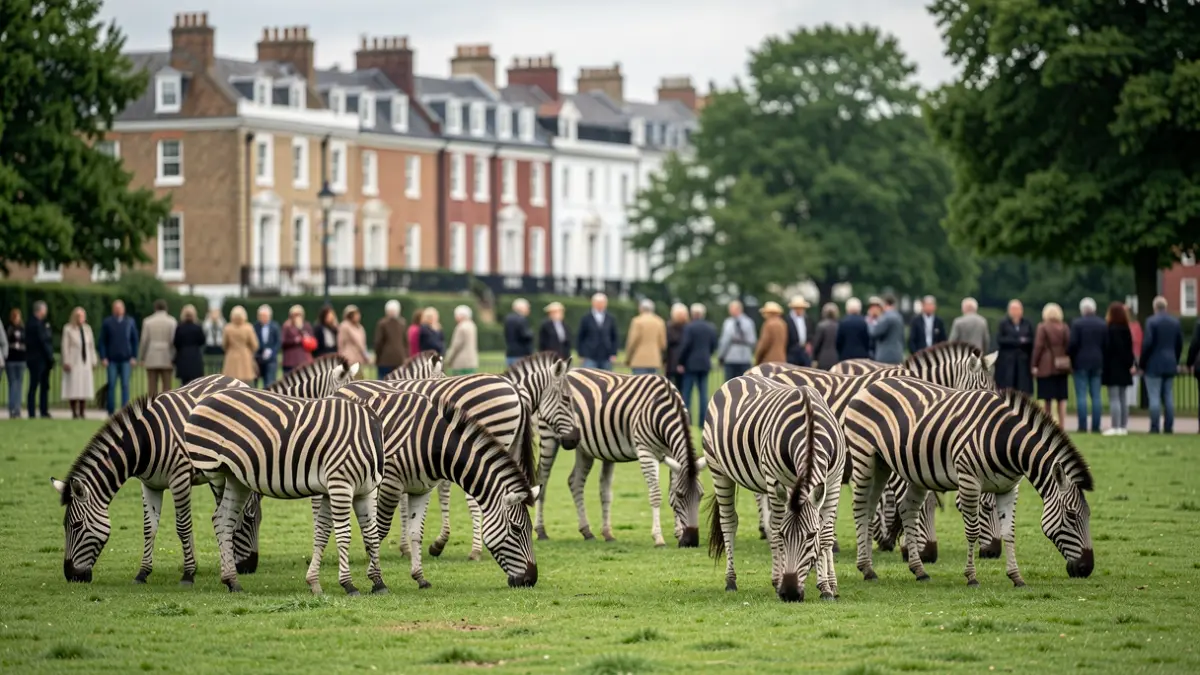
A survey of UK residents revealed that over half would welcome species like Hermann's tortoises and Northern carmine bee-eaters in their local parks. Furthermore, more than 40 per cent of participants expressed openness to the idea of zebras, a finding described as surprising by the researchers.
Professor Ross Cameron, who led the research, stated, “We expected people to be fairly resistant to the idea of exotic, non-native animals in their local park. But people seem to understand that the natural world is under pressure and that we may need to do things differently.” The findings were published in the journal Sustainability.
The scientists argue that as global temperatures rise, many species will struggle to survive in their current regions and may not be able to migrate quickly enough. UK parks and gardens could serve as crucial 'stepping stones' in a network of new habitats across northern Europe. Professor Cameron noted that London's climate is projected to resemble Barcelona's by 2050, allowing plants currently requiring protection to thrive outdoors year-round.
While proposals for venomous European asp snakes and spotted hyenas were met with significant opposition, the researchers suggest a gradual introduction of smaller, more benign species. “We’re not suggesting that anyone will be encountering hyenas on their morning run any time soon,” Professor Cameron added. “But tortoises, bee-eaters, interesting Mediterranean plants - these are things that people seem genuinely enthusiastic about.”
The study, which surveyed over 250 UK residents, calls for a broader public discussion on the purpose of British green spaces and their potential role in preserving global biodiversity in a warming world. This initiative reflects the University of Sheffield's commitment to translating ideas into tangible impact.